
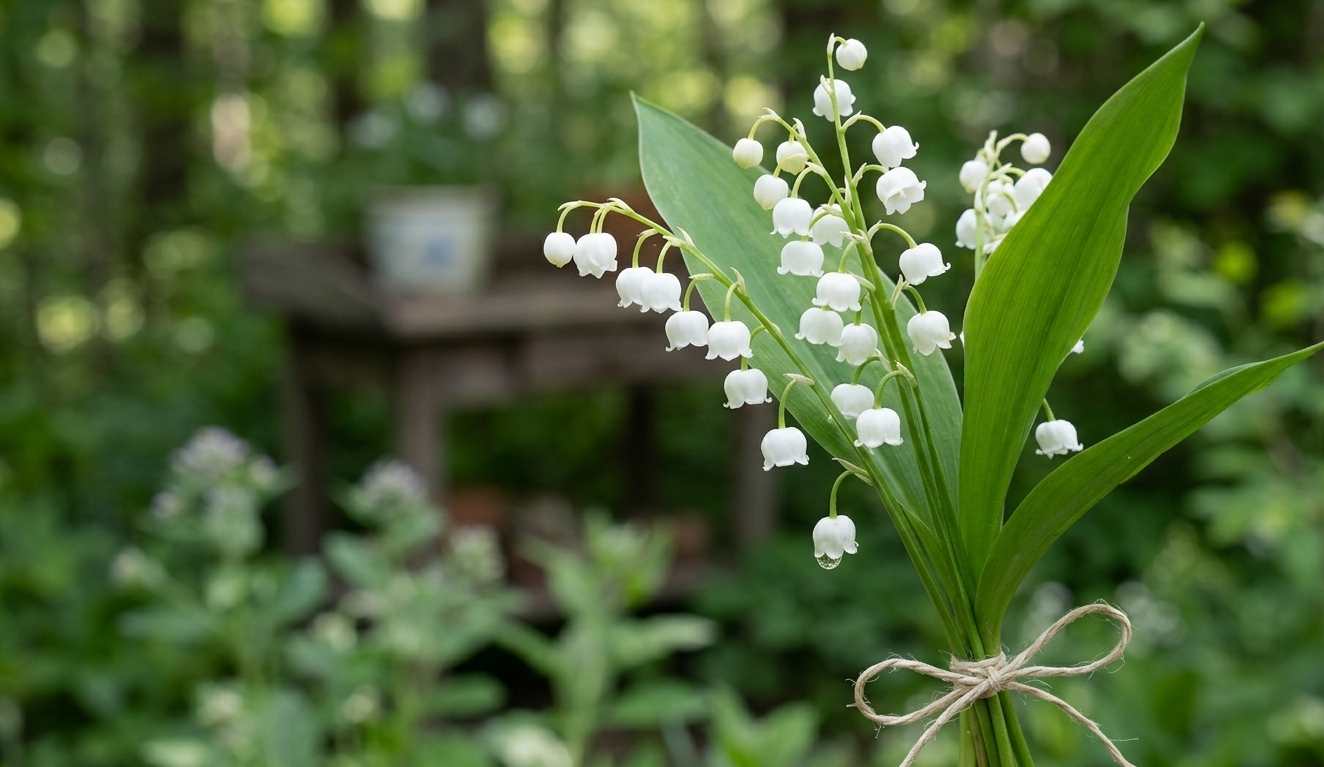
Flowers have a special way of brightening our lives, and few are as delicate and charming as the Lily of the Valley. Known for its tiny, bell-shaped blooms and enchanting fragrance, this flower has captivated gardeners and florists for centuries. It represents purity, elegance, and happiness in various cultures.
Whether you are planning to gift a custom bouquet or enhance your garden with seasonal blooms, understanding the unique qualities of this flower will deepen your appreciation. Here are 12 amazing facts that every flower enthusiast should know.
Lily of the Valley, scientifically called Convallaria majalis, originates from Europe and Asia. Its small, white, bell-shaped flowers hang delicately along slender stems, giving it a graceful appearance.
It has been cultivated for centuries in royal gardens and private estates. The flower is closely associated with May Day celebrations in Europe, marking the arrival of spring. Today, it remains a popular choice for gardeners seeking beauty and fragrance.
Lily of the Valley is often referred to as the “return of happiness” flower. Its symbolic meanings include purity, humility, and sweetness, making it a meaningful gift.
It is commonly used in bridal bouquets and special floral arrangements to convey love, happiness, and renewal. Its symbolism has made it a favourite in cultural rituals and floral traditions across the world.
Despite its beauty, Lily of the Valley is poisonous if ingested. All parts of the plant contain toxic compounds called cardiac glycosides, which can affect the heart.
Gardeners and florists need to exercise caution, particularly if children or pets are present. Its toxicity has also given rise to folklore linking the flower to protection, adding a layer of mystique to its delicate charm.
Lily of the Valley thrives in shaded, cool areas with moist, well-drained soil. It is remarkably hardy and can adapt to a variety of garden environments, making it ideal for beginners and experienced gardeners alike.
Planting it alongside other perennial flowers can create a lush, aromatic display that blooms year after year. Its resilience and minimal maintenance requirements add to its appeal.
One of the most remarkable features of Lily of the Valley is its sweet, captivating fragrance. This delicate scent has been used for centuries in perfumery and floral arrangements alike.
Florists often include it in custom arrangements to create sensory-rich displays for weddings, anniversaries, and other special occasions. Its aroma instantly uplifts any space, adding charm and elegance.
The flowers bloom in late spring, typically around May, and appear in neat clusters along a single stem. The bell-shaped blossoms are small but visually striking, creating a delicate carpet of white when planted in groups.
Gardeners often pair Lily of the Valley with tulips and roses to add contrast and fragrance to springtime gardens. Its consistent blooming pattern ensures reliable seasonal beauty.
Historically, Lily of the Valley was cultivated in European royal gardens and associated with nobility and celebrations. It symbolised happiness, prosperity, and new beginnings, appearing in many traditional ceremonies.
Even today, this flower inspires modern floral arrangements and wedding bouquets, combining historical charm with contemporary elegance. Its long-standing presence reflects its timeless appeal.
Lily of the Valley spreads through underground rhizomes, making it easy to propagate in home gardens. Once planted, it often naturalises and gradually fills shaded corners with lush green leaves and fragrant white blooms.
Gardeners often pair it with other shade-loving plants to create an enchanting undergrowth or border, enhancing both the visual appeal and the aromatic experience of their gardens.
The flower has become synonymous with weddings, anniversaries, and other formal celebrations. Its small, white bells complement bridal bouquets, table centrepieces, and ceremonial floral displays beautifully.
Florists recommend including Lily of the Valley bouquets in weddings for their delicate fragrance and symbolic representation of happiness and love.
In the past, extracts of Lily of the Valley were used in herbal medicine for heart conditions. Although toxic in raw form, controlled preparations allowed for therapeutic use.
Today, its value lies primarily in ornamental gardening and floral design. Understanding its medicinal history adds depth and appreciation for this timeless flower in botanical collections.
Lily of the Valley appears in literature, art, and folklore as a symbol of purity, humility, and fleeting beauty. Poets, painters, and composers have all celebrated its delicate charm.
Collectors often feature it in spring bouquets and botanical illustrations, ensuring the flower’s beauty continues to inspire generations. Its cultural resonance enriches its place in gardens and arrangements.
Lily of the Valley has many little-known facts. Its tiny bells can create a subtle rustling sound in the wind, adding charm to garden spaces. In France, it is customary to give it on 1 May as a token of good luck.
Despite its delicate appearance, it is surprisingly hardy and can thrive for years in shady garden corners. These unique features make it a fascinating addition to any garden or floral display.
Q1: Can I grow Lily of the Valley indoors?
Yes, in containers with well-drained soil and indirect sunlight, but avoid ingestion due to toxicity.
Q2: How do I care for Lily of the Valley in my garden?
Keep the soil moist, provide partial shade, and plant rhizomes in clusters for best growth.
Q3: Are Lily of the Valley flowers suitable for weddings?
Absolutely. They are traditional in bridal bouquets and add elegance to centrepieces.
Q4: Is the flower safe for pets?
No, all parts are toxic. Keep it away from pets and children.

We are a full service flowershop. We offer everyday flowers for birthdays, funerals and special occasion. We also specialize in weddings and events. Place an order or book with us today!

Monday: 9:00 am to 5:00 pm
Tuesday: 9:00 am to 5:00 pm
Wednesday: 9:00 am to 5:00 pm
Thursday: 9:00 am to 5:00 pm
Friday: 9:00 am to 5:00 pm
Saturday: 9:00 am to 2:00 pm
We are a full service flowershop. We offer everyday flowers for birthdays, funerals and special occasion. We also specialize in weddings and events. Place an order or book with us today!
Monday: 9:00 am to 5:00 pm
Tuesday: 9:00 am to 5:00 pm
Wednesday: 9:00 am to 5:00 pm
Thursday: 9:00 am to 5:00 pm
Friday: 9:00 am to 5:00 pm
Saturday: 9:00 am to 2:00 pm